-
Describe the problem
Use the Request service button on any page. Say what is happening, which room or device, since when, and whether anything changed just before. A photo of the device, the fixture or the panel label is worth a paragraph.
-
We confirm scope and timing
You get a plain reply: what we think it is likely to be, what the visit will cover, and when it can happen. We do not promise a response time we have not checked against the day, and nothing is booked until you have agreed to the scope.
-
Diagnosis on site
Readings first: voltage at the panel and the affected circuit, current under load, continuity where it matters. Covers come off only when the readings say the fault is behind them. You hear what we found before anything is replaced.
-
Repair and test
The failed device, connection or cable section is repaired or replaced to the Ontario Electrical Safety Code. Then the circuit is loaded and measured again. The repair is finished when the readings say so, not when the light comes on.
-
A plain summary
What was wrong, what was done, and anything you should watch. If the job needed a notification to the Electrical Safety Authority, that is filed as part of the work and you are told when the inspection is expected.
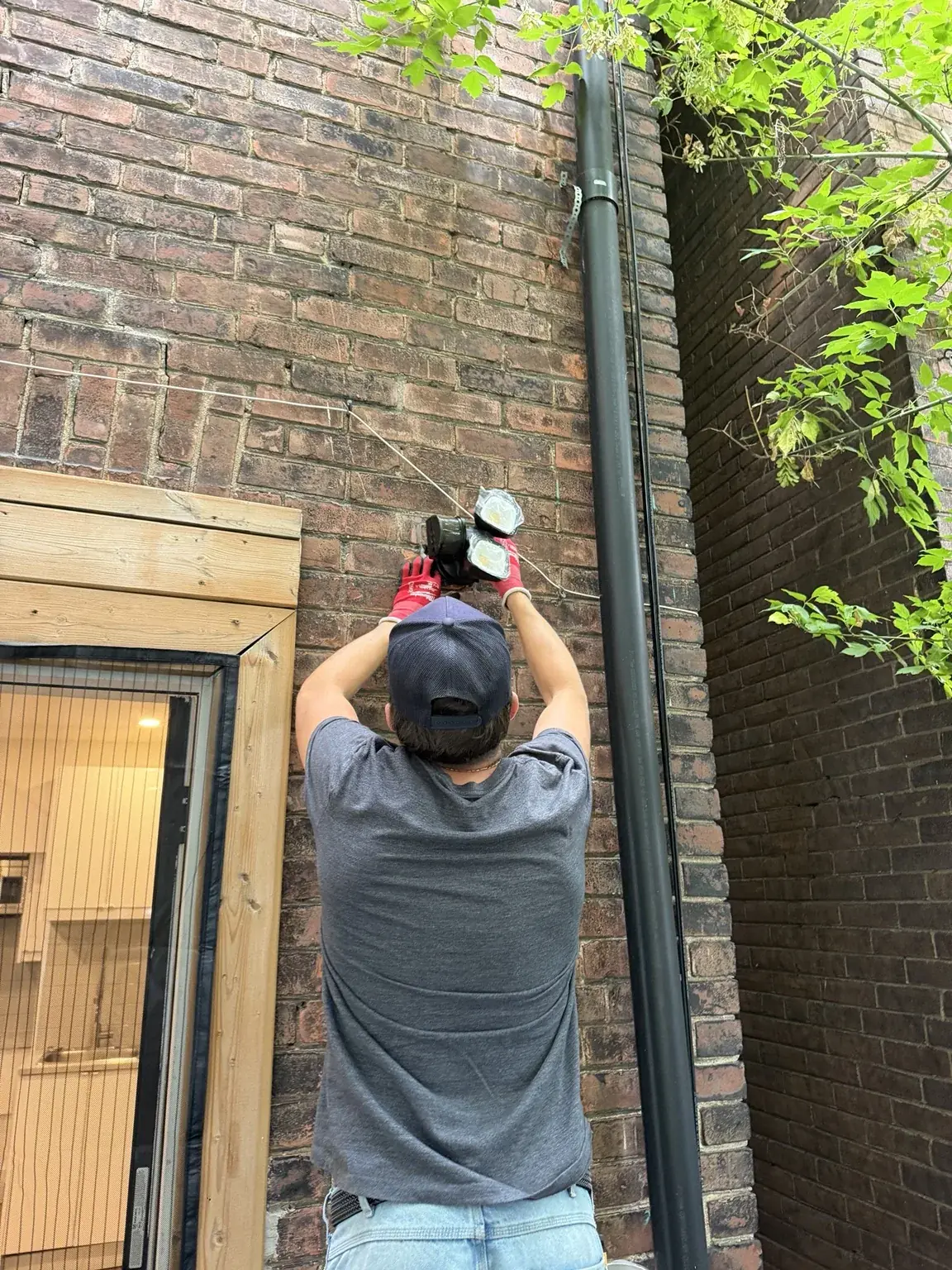
What helps before the visit
- Leave a breaker that has tripped twice in the off position, and leave the fault alone otherwise.
- Write down the pattern: time of day, what was running, which rooms.
- Clear access to the panel. About a metre of clear floor in front of it is what the code expects.
- For fixture or device replacements, have the new unit on site, with its box, so ratings can be checked.
- Keep pets and children away from the work area while covers are off.
What affects the price
Time to find the fault, the parts involved, and access. A dead outlet that turns out to be a tripped GFCI is a short visit. The same symptom caused by a loose neutral in a ceiling box takes longer. You hear the scope before work starts and again if it changes.
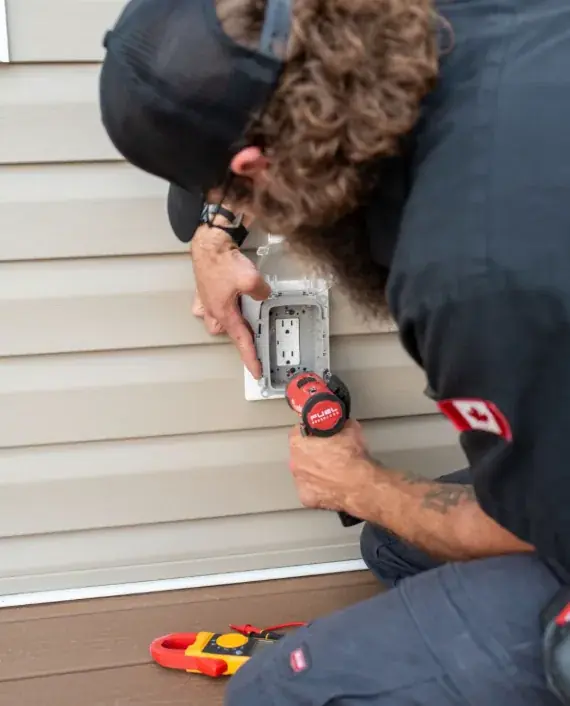
Permits, inspections and licensing
Replacing a device like for like typically does not need a notification to the Electrical Safety Authority. Adding a circuit, wiring a hot tub, panel work and similar jobs do, and the ESA inspection that follows is included in the job rather than left to you. We say which category a job is in before it starts.
Electrical contracting in Ontario requires an ECRA/ESA licence, and licensed contractors are required to display their licence number. Ask any contractor for it before work begins. Ours appears in the footer of this site once the launch details are complete.
Who does what
The Electrical Safety Authority (ESA) sets and inspects to the Ontario Electrical Safety Code. Toronto Hydro supplies power to your meter and handles outages, disconnections and reconnections. The electrical contractor does the work on your side of that line and files the notification when one is needed.
Ready when you are
Describe the problem and the neighbourhood. We confirm scope and timing before any visit.